

What if one of the most important skills in sport is learning to pay attention to what is happening right now?
Athletes can spend a lot of time thinking about performance. Before competition, they may worry about what could go wrong. During competition, their attention can become caught up in previous mistakes, future outcomes, expectations or pressure.
The problem is that performance happens in the present moment.
You can’t change the shot you played five minutes ago or control exactly what will happen next. What you can do is bring your attention back to the present and focus on what you can control.
This is where mindfulness can help.
What is mindfulness?
Mindfulness means intentionally paying attention to what is happening in the present moment, with openness and without immediately judging or trying to change the experience.
Importantly, mindfulness doesn’t mean clearing your mind of thoughts.
Athletes will still experience nerves, doubt, frustration and distracting thoughts. The aim isn’t to eliminate them, but to notice them without becoming caught up in them and then redirect attention towards what matters.
For example, a golfer might think:
“Don’t hit it left again.”
Instead of fighting the thought, they might recognise:
“I’m having the thought that I might hit it left.”
They can then return their attention to their breathing, target, pre-shot routine or committing to the shot.
Why does being present matter?
Imagine a golfer standing over an important putt:
“I need to make this.”
“What if I miss?”
“I can’t believe I three-putted the last hole.”
“If I make this, I could win.”
These thoughts are understandable, but they don’t help execute the putt.
The more attention we give to the past or future, the less attention we have available for the task in front of us.
Mindfulness helps athletes recognise when their attention has wandered and bring it back to the present.
It doesn’t guarantee success. Instead, it gives the athlete a greater opportunity to perform their skills effectively.
Mindfulness under pressure
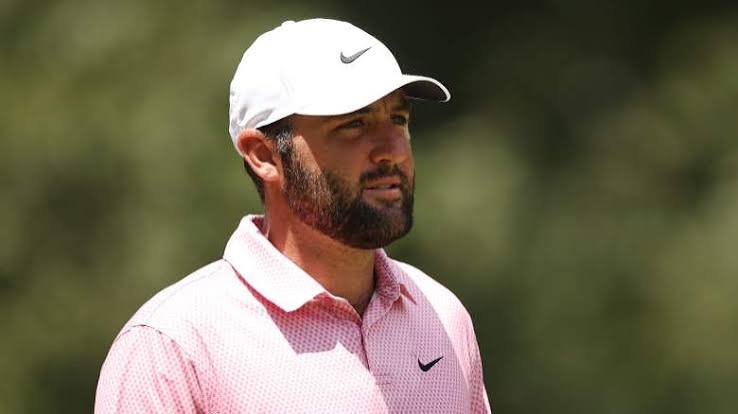
Pressure is an unavoidable part of competitive sport.
Rather than trying to get rid of nerves or difficult thoughts, athletes can learn to respond differently to them:
Notice → Accept → Refocus → Act
For example:
Notice: “I’m feeling nervous.”
Accept: “It’s okay to feel nervous.”
Refocus: “Where do I want my attention right now?”
Act: Return attention to the next task.
You don’t need to feel completely calm or confident before you can perform well. You can learn to perform with nerves, doubt and uncertainty present.
What does the research say?
Research into mindfulness in sport is growing.
A 2023 systematic review and meta-analysis of 32 randomised controlled trials found that mindfulness-based interventions improved mindfulness and related psychological factors, with evidence also supporting improvements in athletic performance.
A 2024 meta-analysis involving 582 athletes also found improvements in mindfulness, flow and sport performance, alongside reductions in psychological anxiety. However, researchers highlighted that more high-quality research is needed.
More recent research has also explored brief mindfulness interventions, including evidence of improved golf putting performance following short interventions. However, the evidence remains developing and mindfulness should not be viewed as a guaranteed performance enhancer.
Instead, mindfulness can be viewed as a psychological skill that helps athletes develop attention, acceptance and psychological flexibility.
Try this simple exercise
Take two minutes:
1. Stop – Pause and take a moment.
2. Breathe – Notice your breathing.
3. Notice – What thoughts, emotions and physical sensations are present?
4. Don’t judge – You don’t need to change what you’re experiencing.
5. Refocus – Ask yourself:
“Where would I like my attention to be right now?”
Then bring your attention back to that task.
The bottom line
You can’t perform in the past.
You can’t perform in the future.
Performance happens in the present.
Mindfulness isn’t about creating the perfect mental state or eliminating nerves and negative thoughts.
It’s about learning to notice what is happening, make room for it and refocus on what matters.
Want to develop your mental game?
Mindfulness is one of the psychological skills I use when working with athletes to develop greater awareness, attention and psychological flexibility.
If you’d like to explore how sport psychology could support your performance and wellbeing, get in touch to arrange a free 20-minute consultation.


Leave a Reply